

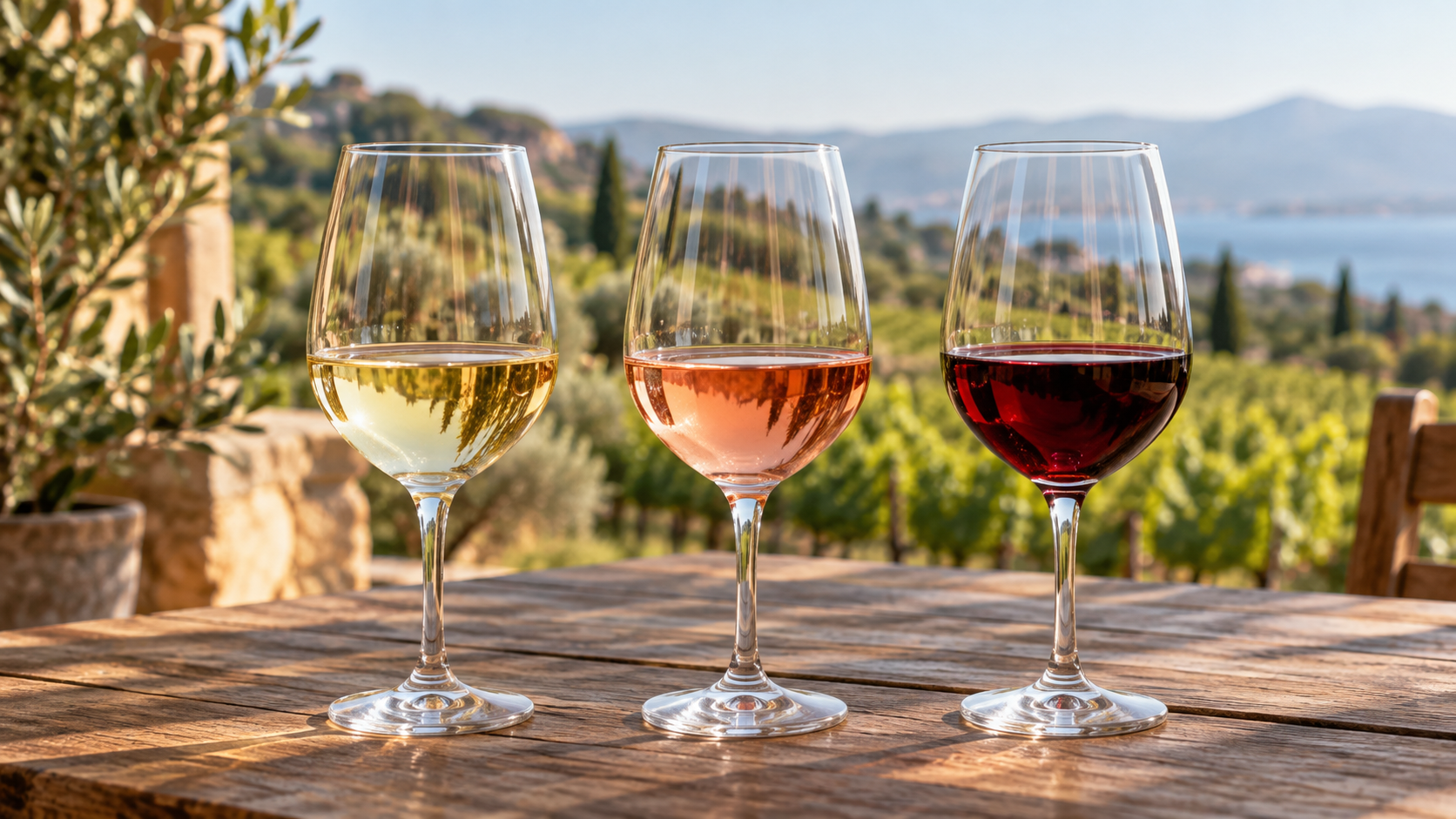
A beautiful table, good company and a carefully chosen bottle of wine. One small detail can make all the difference: the serving temperature.
When wine is served too cold, some of its aromas can remain hidden. When it is too warm, it may lose its sense of freshness and balance. As the Wine & Spirit Education Trust explains, different styles of wine show their best at different temperatures.
Here is a simple guide to help you enjoy every bottle at its best.
White wine: chilled, but not ice-cold
White wines are best enjoyed chilled. The right temperature depends on the wine’s body and character. As a guide:
- Light, aromatic whites: 7–10°C.
- Fuller-bodied whites or whites aged in oak: 10–13°C.
A very cold wine may feel refreshing, but excessive cold can mask its aromas. If you have just taken a bottle from the fridge and the wine seems too cold, leave it in the glass for a little while and taste it again.
For our Klarakia dry white made from Moschofilero, we recommend serving at 7–8°C.
Rosé wine: cool and balanced
Rosé is also served chilled. For many dry rosé wines, a good starting point is 8–12°C, depending on the wine’s style and the producer’s recommendation.
A cool temperature brings out the wine’s freshness. Avoiding excessive cold also allows its aromas to emerge.
We recommend serving our Klarakia dry rosé made from Agiorgitiko at 7–8°C.
Red wine: what does “room temperature” really mean?
We often hear that red wine should be served at room temperature. However, a warm room—especially in summer or near a heater—may be much warmer than the wine needs.
For dry red wines, these temperatures are a useful starting point:
- Light and fruity reds: approximately 12–15°C.
- Fuller-bodied, more structured reds: approximately 15–18°C.
If the bottle has been kept in a warm room, a short time in the fridge before serving can help bring it to a more suitable temperature. The time needed depends on the starting temperature of the bottle and the temperature of the fridge.
Sweet wines may be served at different temperatures, so it is always worth following the recommendation for each label.
A few tips for the table
- Use an ice bucket with water and ice to chill a bottle or keep white and rosé wines cool at the table.
- Leave room in the glass. Filling it about one-third full allows you to swirl the wine and enjoy its aromas.
- Hold the glass by the stem, so that your hand does not warm the wine too quickly.
- Follow the producer’s recommendation. Temperatures are a helpful guide, and every wine has its own character.
At Boubas Winery, we believe every bottle deserves the time and care that allow it to express itself. A little attention to serving can help us discover even more of what a wine has to offer.
Discover our wines or contact us to arrange a visit and tasting at the winery.


